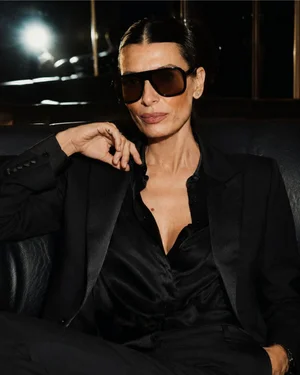
You Must Be Disrespectful
On photography, risk, taboo and images that refuse to behave.
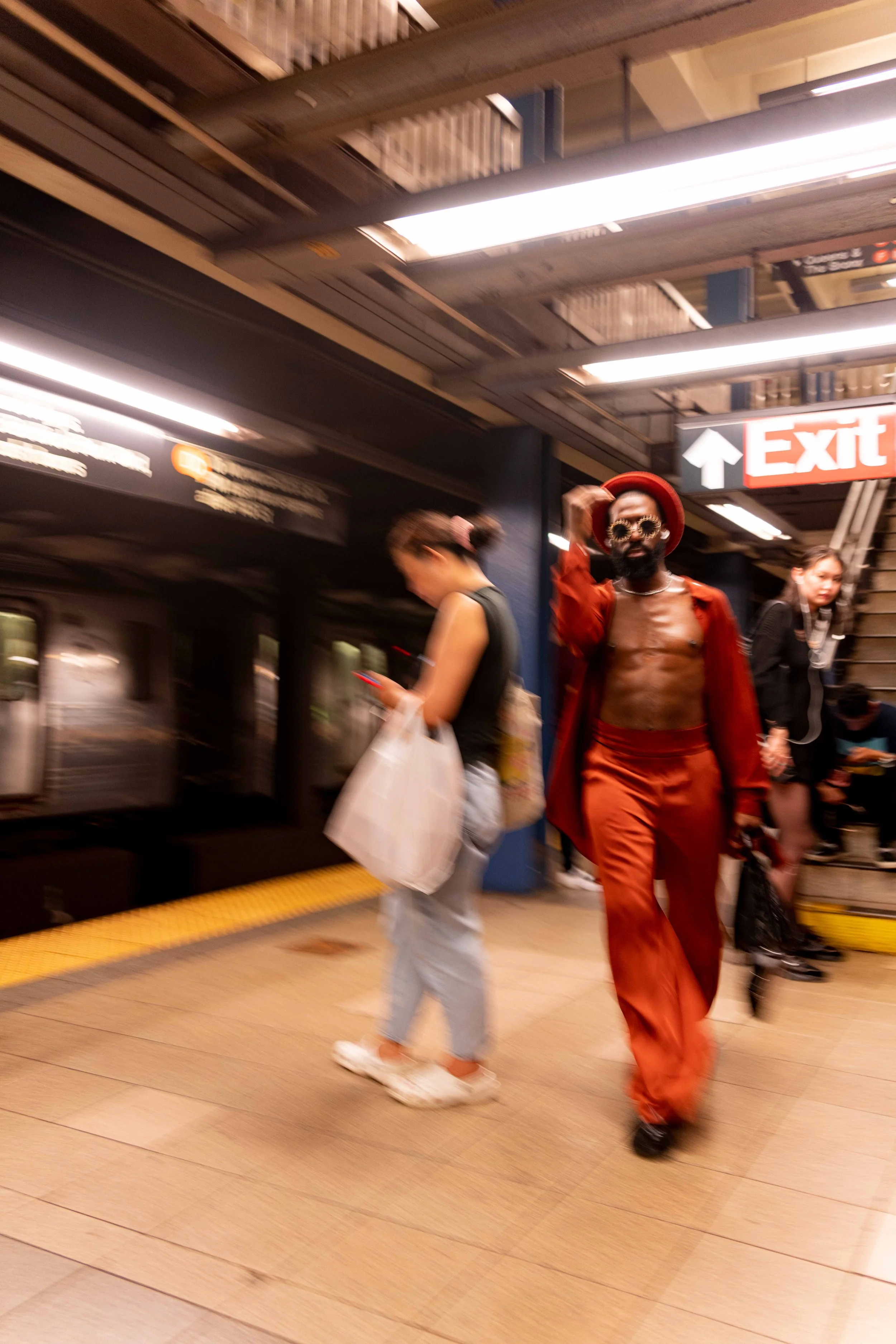
New York City subway, 2026.
When I started photographing the streets of New York, I discovered that taking a photograph sometimes requires courage.
On the subway, people screamed at me more than once because I photographed them.
And I understood why.
Street photography contains an uncomfortable act: you take a second from somebody else’s life that wasn’t offered to you.
A gesture. A face. Two people talking. Someone sleeping. Something private happening in a public space.
You see it, you raise the camera, you take it.
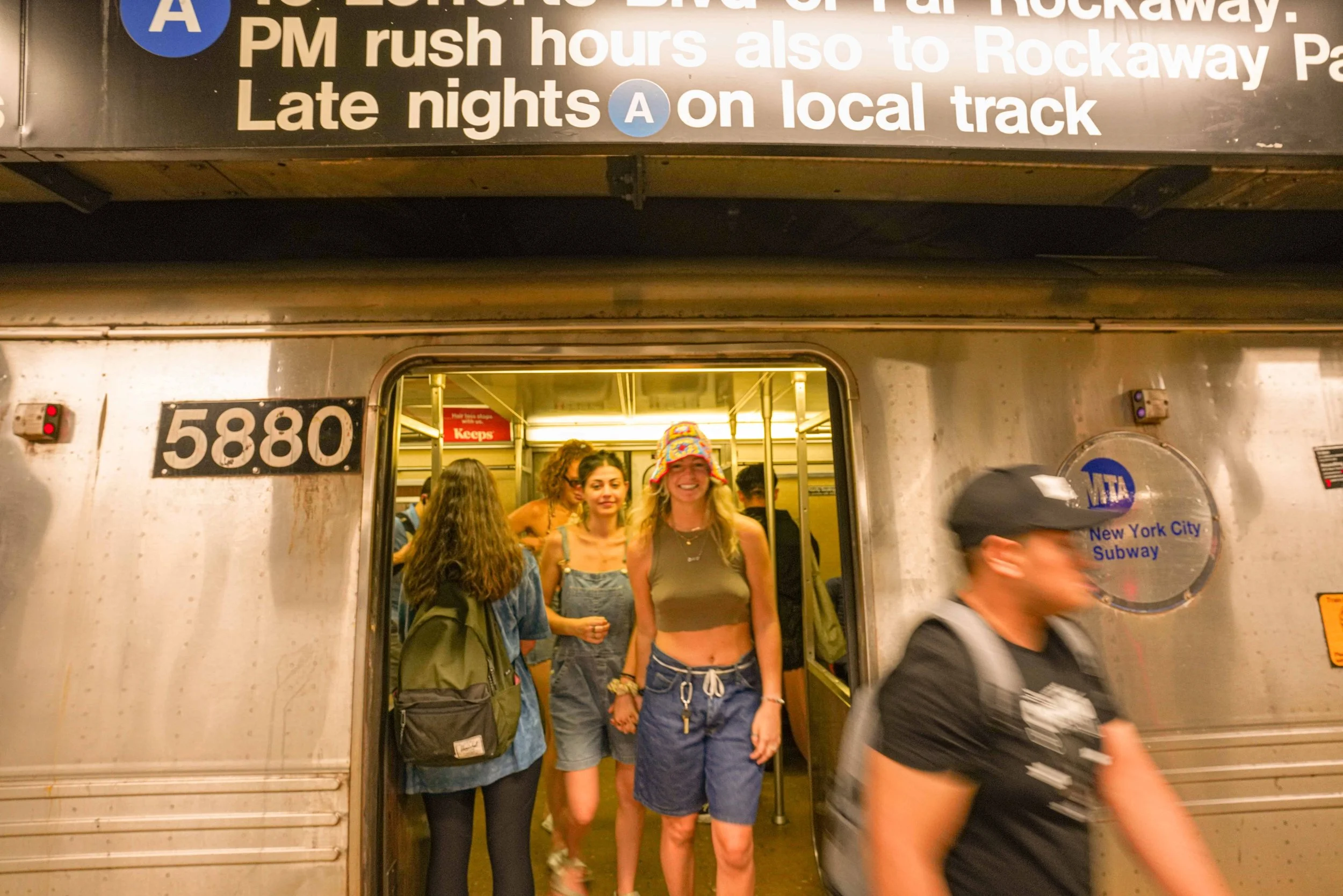
Stepping into the city, New York City subway, 2026.
If you stop to negotiate everything with yourself, the moment is gone.
This is probably where I understood something I still believe today: sometimes you have to be disrespectful.
Not disrespectful to people.
Disrespectful to the rules.
To what you are supposed to do. To convention. To good taste. To the boundaries of acceptable behavior. Sometimes even to taboo.
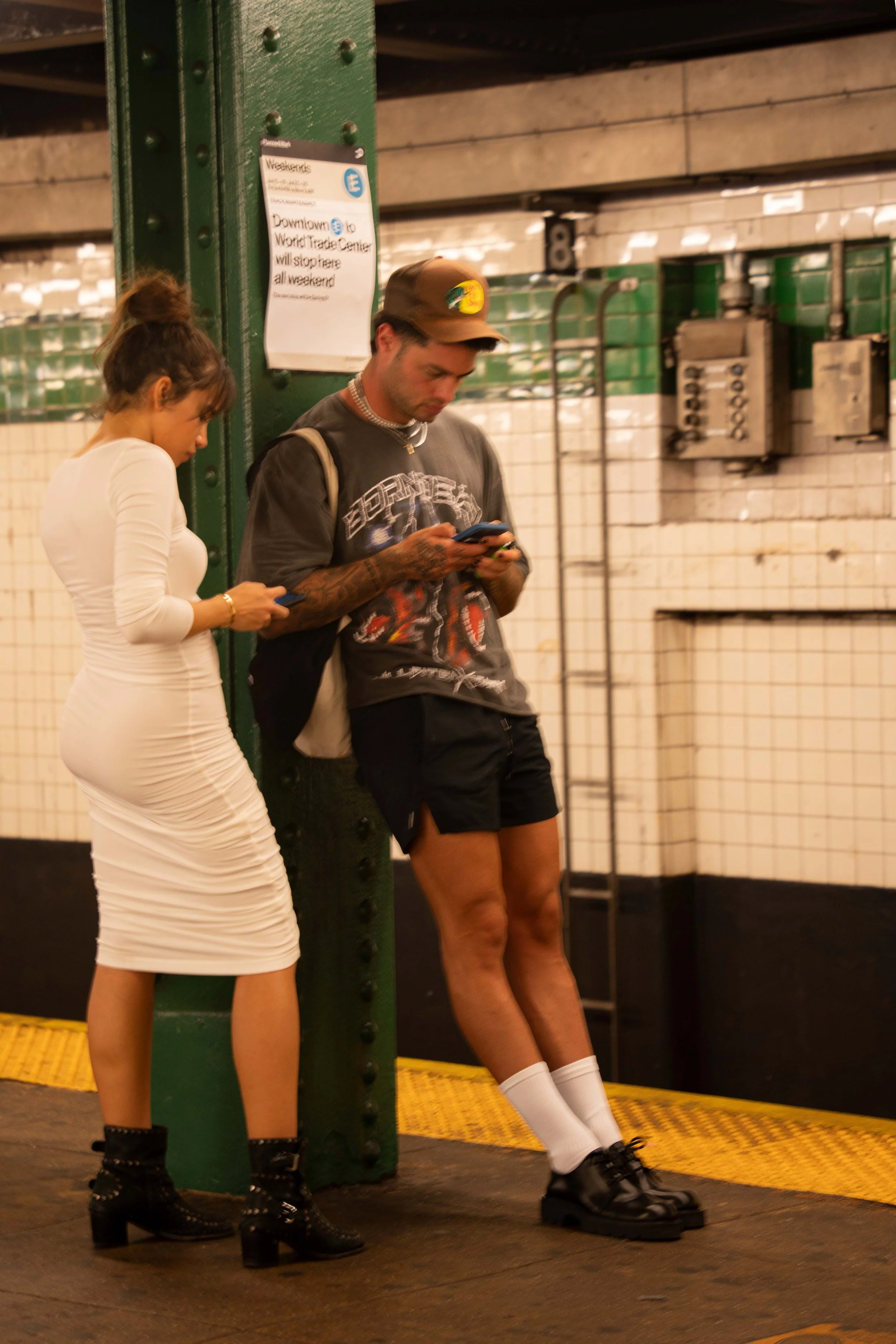
Waiting for the train, New York City subway, 2026.
In Bed-Stuy, while photographing my project on gentrification, this became more complicated.
I was entering a predominantly Black community that wasn’t mine, trying to understand what was changing and what was disappearing.
A sense of community. Familiarity. Ownership of the street. The small rituals that make a neighborhood belong to the people who live there.
I knew I was an outsider.
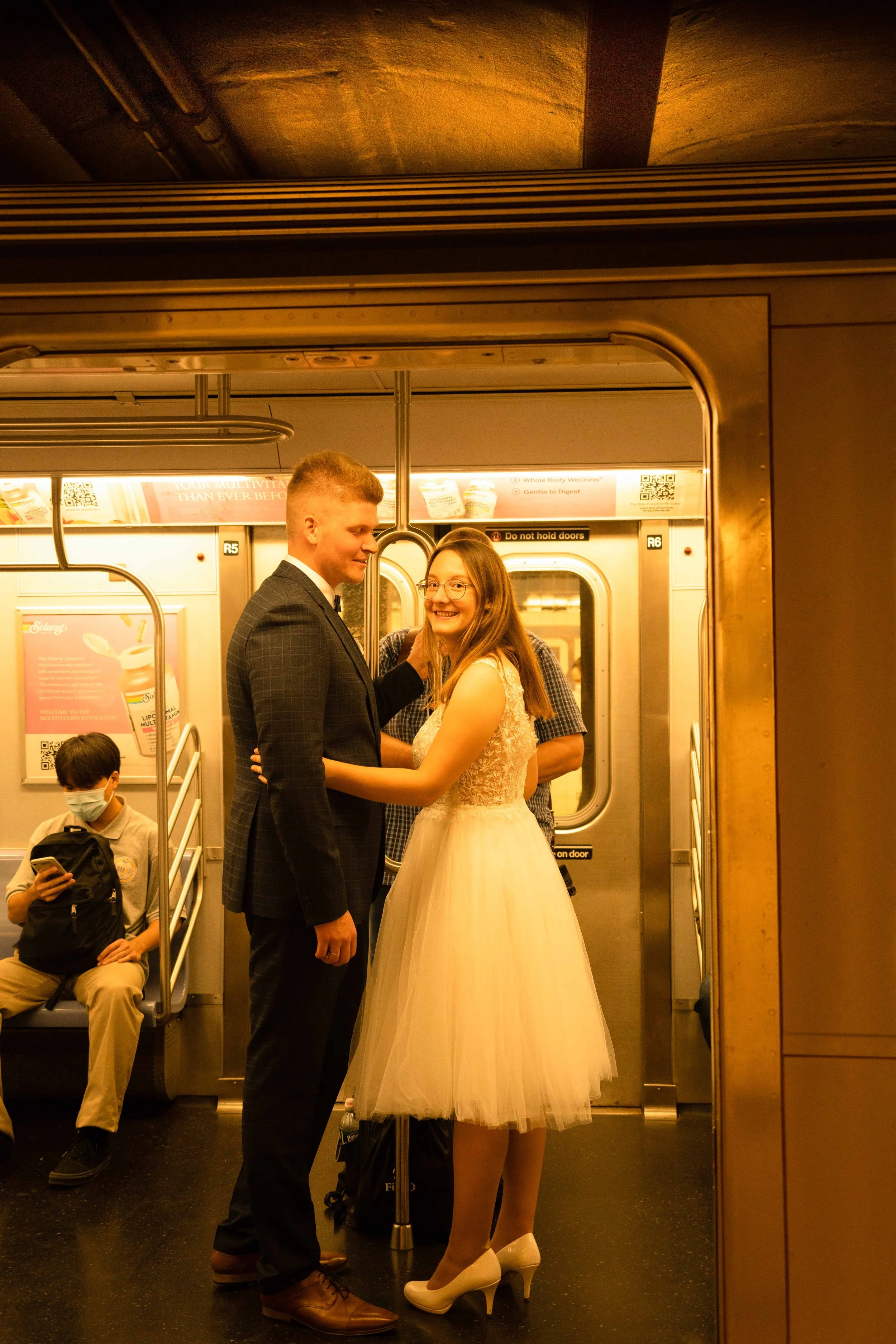
Wedding party on the train, New York City subway, 2026.
There was always the possibility of crossing a line, misunderstanding something, taking something that wasn’t mine.
But there was another risk too: becoming so afraid of crossing a boundary that you stop looking.
Then came AI.
Suddenly the risk was no longer outside me.
There was nobody on the other side of the camera.
The boundaries became my own.
AI allows me to go against reality itself — physics, chronology, beauty, taste, what is possible and sometimes what is considered acceptable.
But unlimited freedom doesn’t automatically produce interesting images.
Quite the opposite.
Perfect woman.
Perfect skin.
Perfect clothes.
Perfect light.
Perfectly forgettable.
The interesting image usually begins where obedience ends.
Not because provocation is automatically intelligent. It isn’t.
But because every strong image seems to contain some form of refusal.
A refusal to flatter.
To explain.
To behave.
To stay inside the borders of what is tasteful, realistic, marketable or safe.
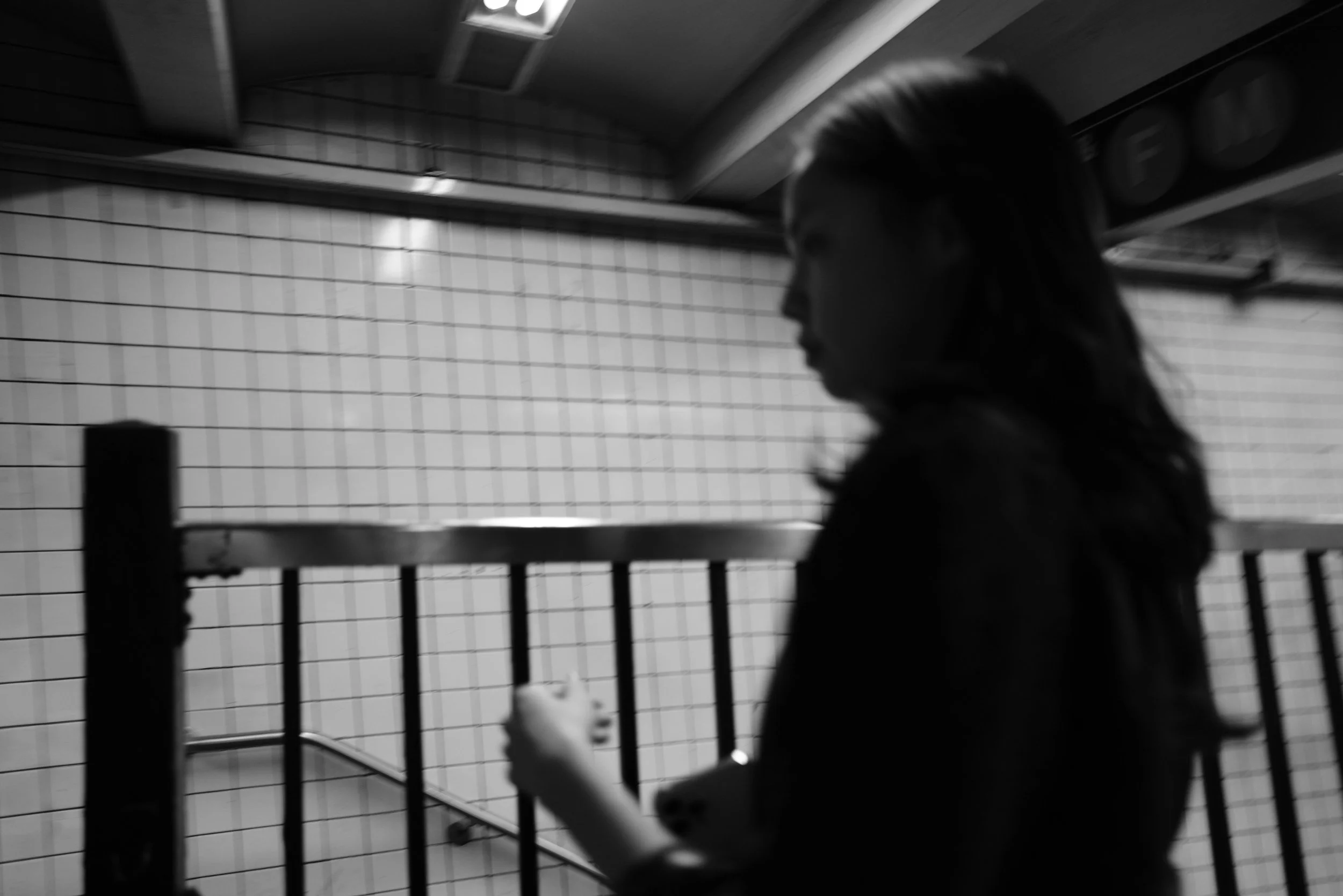
Passing through, New York City subway, 2026.
With AI, this becomes even more visible because there is no reality to protect.
The image can be excessive, impossible, ugly, erotic, absurd, wrong.
The question is no longer:
Can I do this?
It becomes:
Why am I doing this?
That difference matters.
Because disruption without intention is just decoration wearing a dangerous costume.
The point is not to shock for the sake of shocking.
The point is to allow the image to go somewhere polite images cannot.
Photography taught me that the moment often disappears if you hesitate too long.
AI taught me something similar.
If you keep asking the image to behave, it will.
And maybe that is the problem.
Sometimes the image has to disobey.
Sometimes you do too.
I wrote recently about why luxury images sometimes need something wrong. This feels like the next step: sometimes the image doesn’t just need imperfection. It needs disobedience.
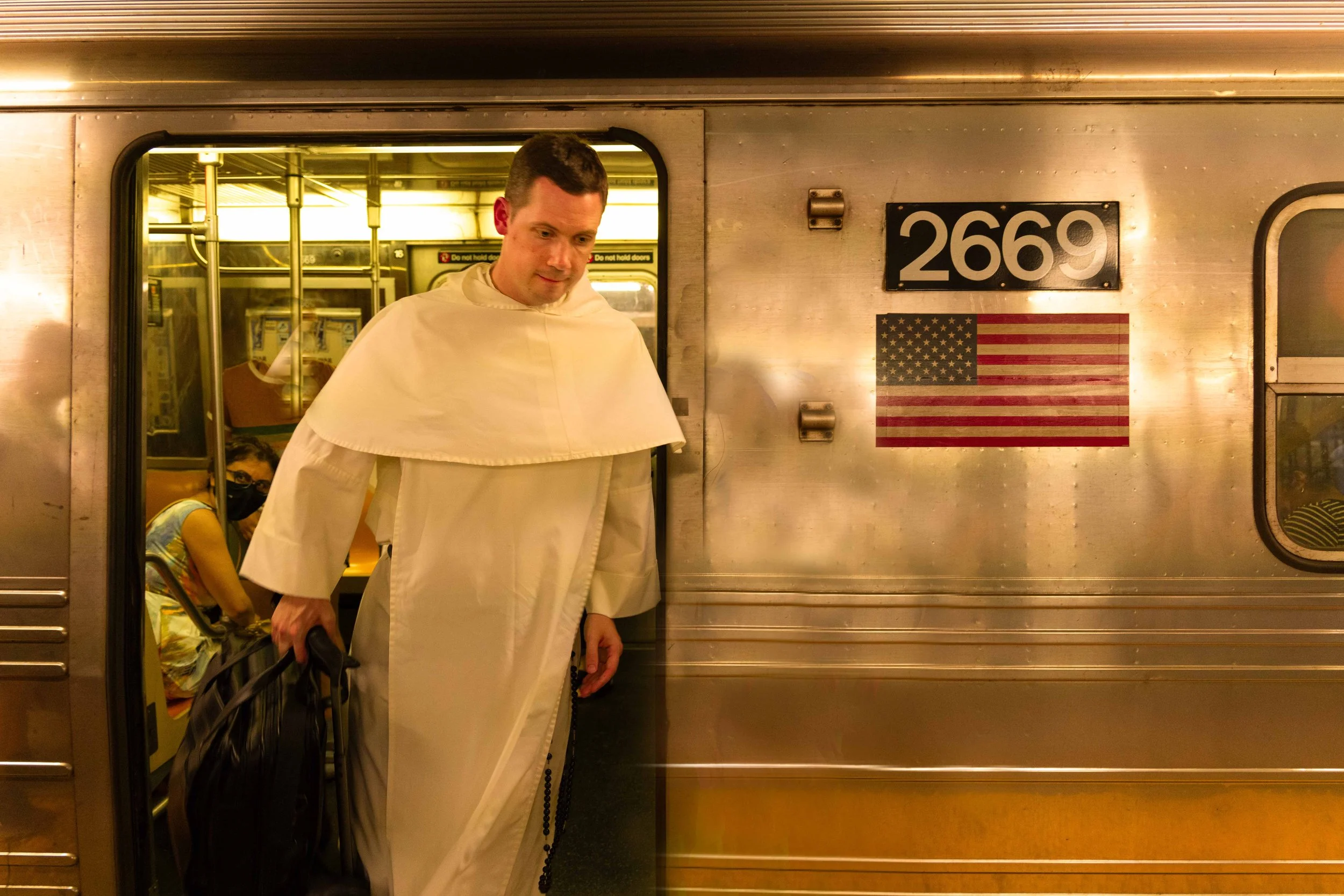
A priest steps off the train, New York City subway, 2026.