Luxury Doesn't Need More Content. It Needs Better Worlds.
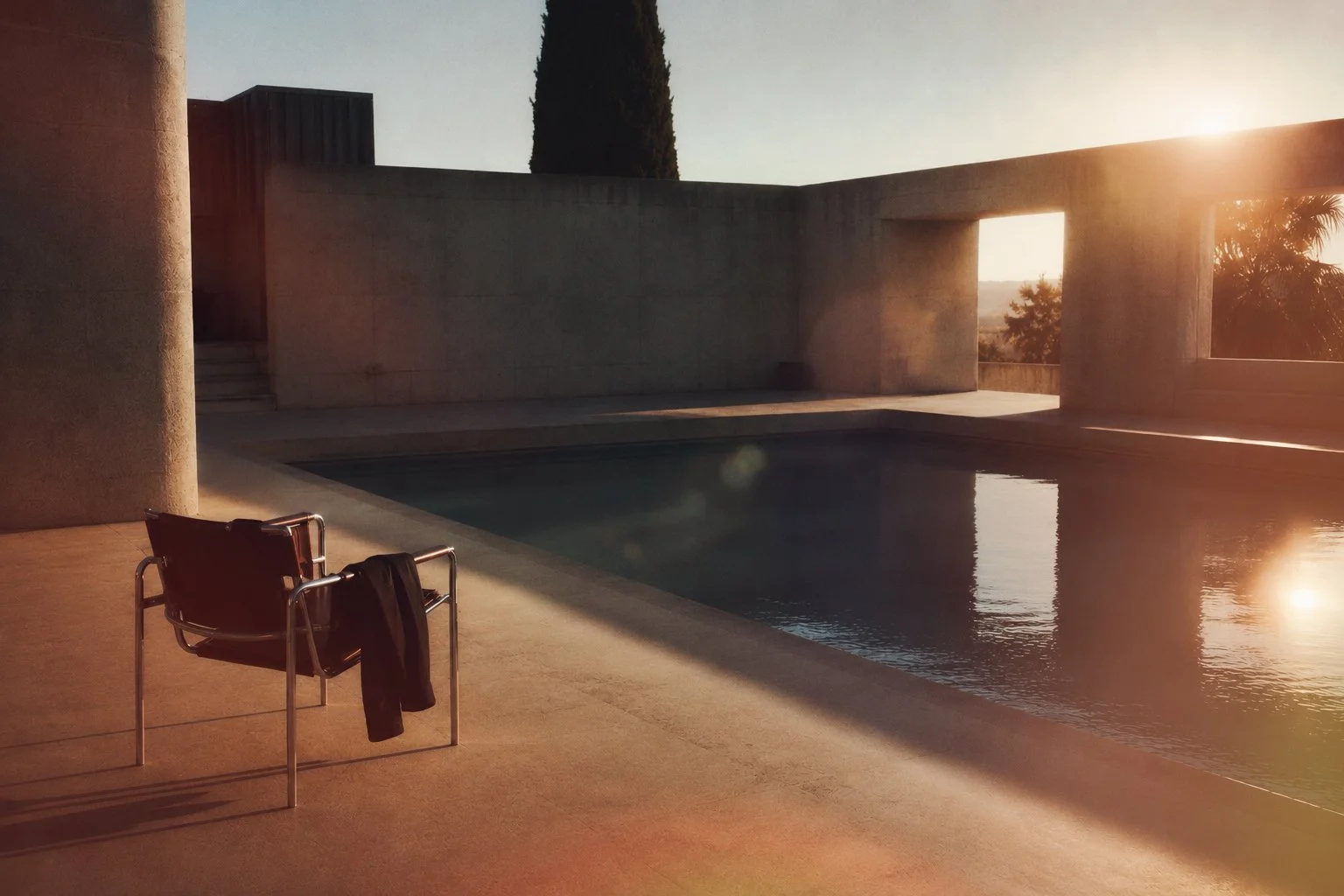
Cinematic architectural photograph by Creative Director Alessia Moccia exploring silence, atmosphere and understated luxury through light, space and visual storytelling.
Every year, luxury brands produce more content than the year before.
More campaigns.
More reels.
More stories.
More assets.
More formats.
Yet very little of it stays with us.
Ask someone to remember the latest campaign from a fashion house they admire, and they will rarely describe the content calendar. They will describe a feeling.
A particular light.
A silhouette.
A colour palette.
A piece of music.
A gaze.
A world.
Luxury has never been measured by quantity. It has always been measured by memorability.
Somewhere along the way, the industry became obsessed with output. The conversation shifted from What should this brand make people feel? to How many pieces of content do we need this month?
Efficiency became the goal.
Visibility became the metric.
The result is an endless stream of perfectly produced images that disappear the moment we scroll past them.
The paradox is that luxury has always worked in the opposite direction.
The most iconic campaigns were never memorable because they were frequent. They were memorable because they created an atmosphere so distinctive that it became inseparable from the brand itself.
Think of the photographs that shaped entire decades of fashion. We don't remember them because they sold a product. We remember them because they expanded the mythology of a house.
The best creative work doesn't compete for attention.
It rewards it.
This is where today's creative technologies become genuinely interesting.
Not because they allow brands to produce more content.
Not because they make production faster.
But because they expand the possibilities of storytelling.
Every technological shift has brought the same temptation: to make more.
Printing made more magazines.
Digital made more images.
Social media made more posts.
Artificial intelligence can easily become another machine for producing more noise.
Or it can become something far more valuable: a new instrument for building worlds.
The technology itself is not the story.
The story is what a brand chooses to do with it.
A distinctive visual language.
A recurring emotional universe.
Characters that feel familiar.
Spaces that could only belong to one house.
A rhythm that audiences begin to recognise before they even notice the logo.
In an age where every brand can generate images, imagination becomes the only scarce resource.
Perhaps the next era of luxury communication will not belong to those who publish the most.
It will belong to those who create worlds that people want to return to.
Because content fills feeds.
Worlds build brands.