AI Fragrance Commercial Examples | Cinematic Direction for Luxury Perfume Brands
Creative Director Alessia Moccia explores cinematic AI fragrance storytelling through luxury perfume campaigns and visual direction.
Fragrance has always been one of the most difficult categories to translate visually.
A scent cannot be seen. It has to be felt — through atmosphere, memory, and emotion.
Today, a new visual language is emerging. Not as a replacement for traditional filmmaking, but as an extension of it: cinematic AI used with precision and authorship.
This shift is not about speed or cost. It is about direction.
What makes a fragrance commercial work
The strongest fragrance films are not built around the product itself, but around the emotional world it creates.
A successful perfume commercial holds together:
Atmosphere — the space the viewer enters
Memory — something that feels remembered rather than shown
Rhythm — how the film unfolds, not just what it shows
Restraint — knowing what not to explain
Without these elements, even the most visually advanced execution remains empty.
AI in fragrance advertising: beyond the tool
Many discussions around AI in advertising focus on efficiency.
But in fragrance, efficiency is not the point.
The difference lies in how the medium is directed.
Cinematic AI allows for a level of visual control and fluidity that can translate intangible sensations into imagery — if guided with a clear creative vision.
Without that, it becomes noise.
Example: cinematic short-form for fragrance
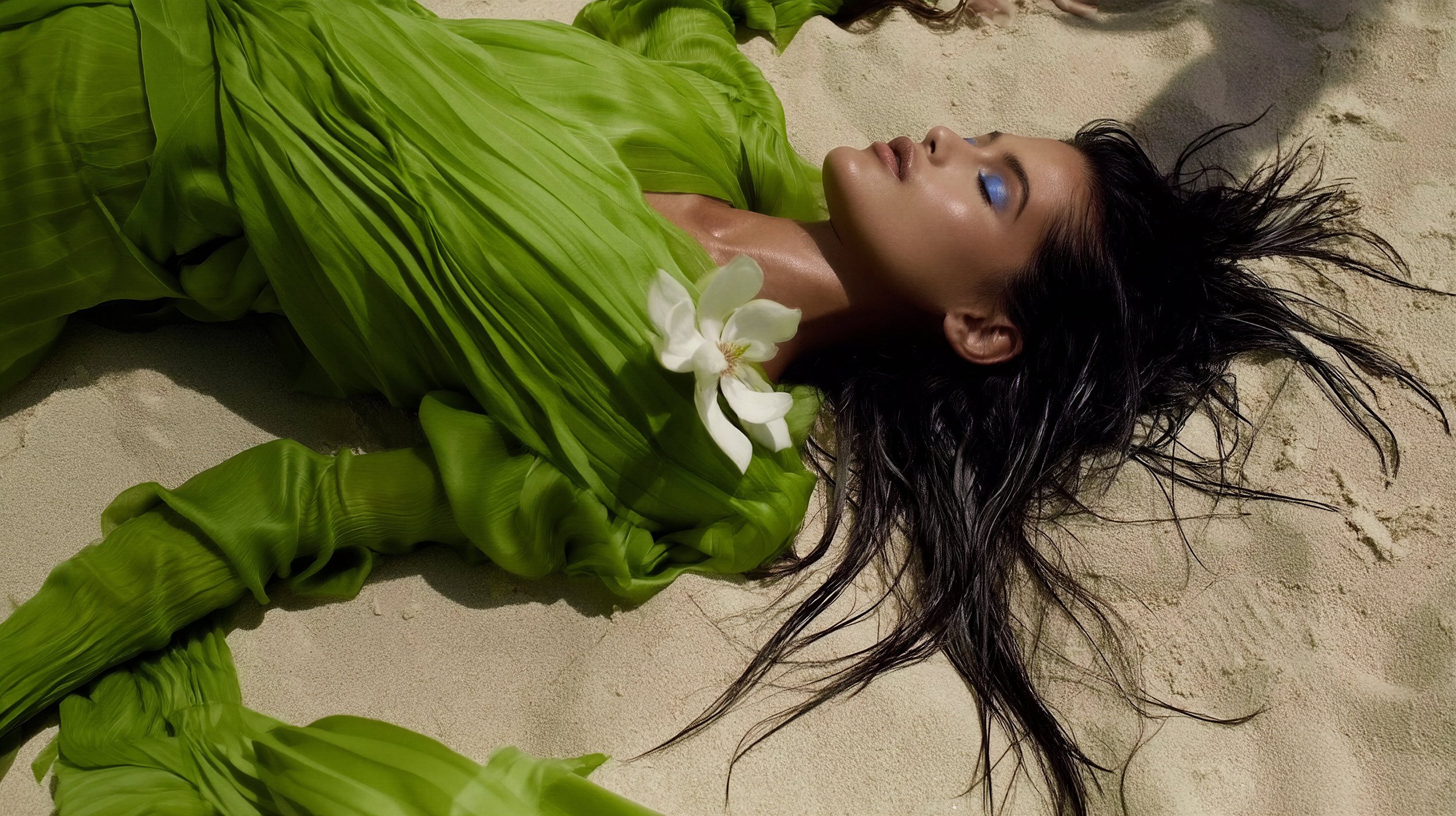
A recent AI fragrance commercial directed by Creative Director Alessia Moccia reached over 2.5 million organic views, demonstrating how cinematic storytelling can elevate luxury perfume campaigns.
Rather than building a traditional narrative, the film focused on:
A singular emotional tone
A controlled visual palette
A sense of suspended time
Subtle symbolic elements
This approach reflects a broader shift toward cinematic short-form content — where a fragrance is not explained, but experienced.
The rise of cinematic short-form in perfume launches
As fragrance brands move across platforms, especially social environments, the need for precise, high-impact visual storytelling becomes more important.
Instead of producing large campaigns alone, many brands are exploring:
Focused visual pilots around a single scent
Short-form cinematic sequences for launch moments
Visual systems that extend across formats
This is not about producing more content.
It is about creating a coherent visual language that can live across touchpoints.
About the director
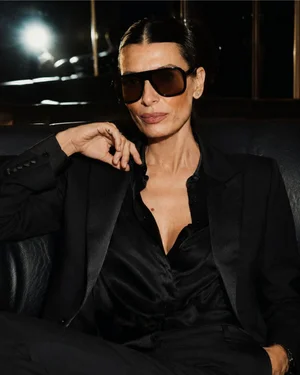
Alessia Moccia is a Creative Director, Photographer and AI Filmmaker creating cinematic campaigns for fashion, fragrance and luxury brands. Through E-uphoria Studio, she combines photography, cinema and AI to build emotional visual worlds for international brands.
Fragrance advertising is entering a new phase.
Not driven by technology alone, but by the ability to translate what cannot be seen into something that can be felt.
Cinematic direction remains the difference.